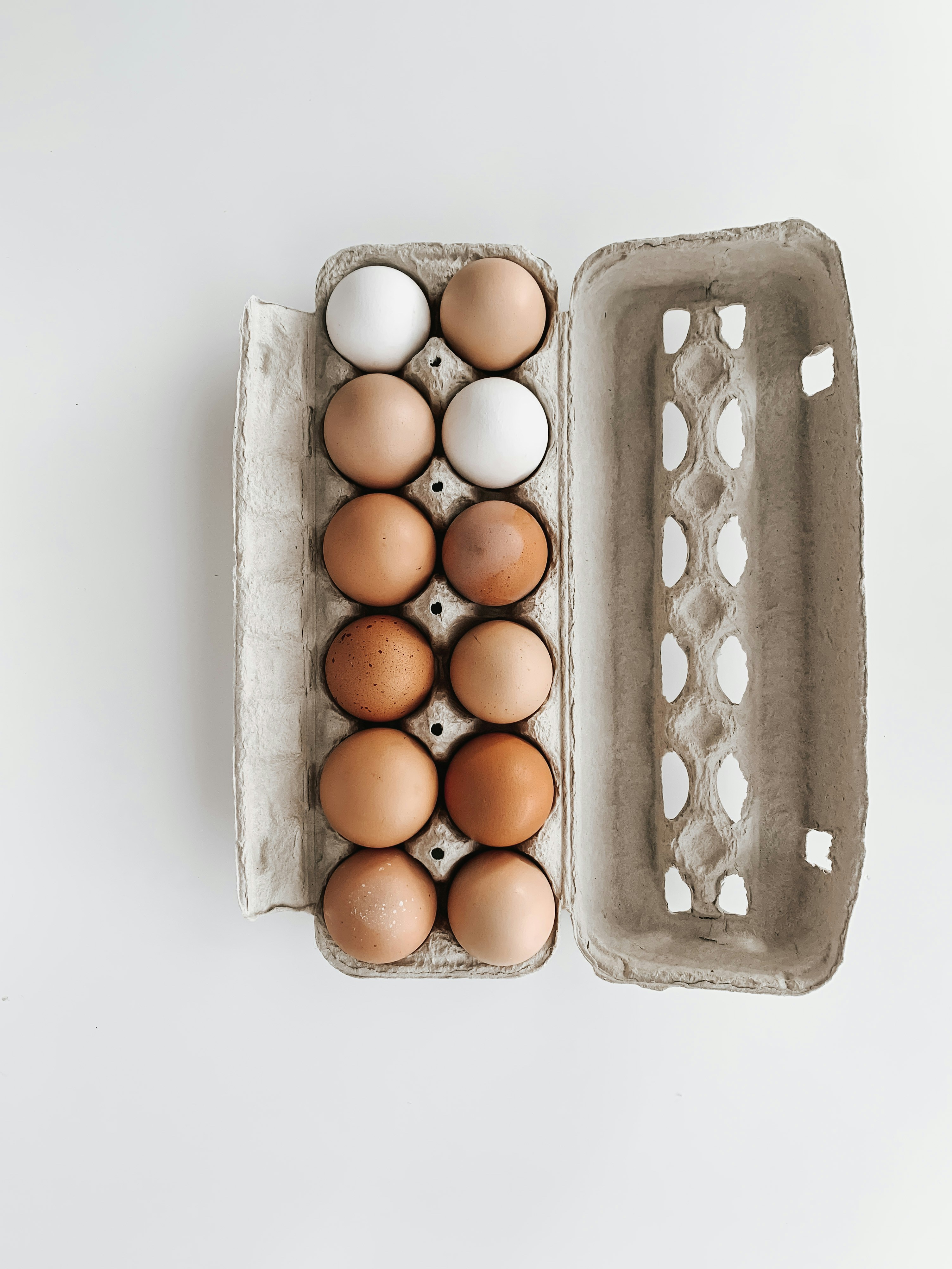
As someone who’s grown a genuine love for grocery shopping, I still often feel like I’m trying to crack a Rubik’s cube whenever I get into the process. Especially in that egg aisle, when I’m weighing the ethics of chicken treatment and the quality of production against the wellbeing of my bank account.
For all of us mere grocery shopping mortals, each week we are tasked with coming up with meals that are good for us, fit our budget, and don’t leave us limited to eating the same thing all week long. It’s not the easiest task. And even when you do put together a solid meal plan and a list that hits every mark, there are so many elements that can shift the moment you walk into the store: the produce you planned around looks a little sad (or covered in flies?), and the meat that was on sale is already gone. Suddenly, that pristine plan you had doesn’t quite work anymore.
I’ve been there more times than I can count, and while I could never promise complete immunity from debacles, I do have a collection of tried-and-true grocery shopping tips to offer. The following tips have consistently helped me keep my household well fed, improve my in-store experience even when things don’t necessarily go as planned, and minimize the blow to my bank account. I hope they do the same for you!
Shop with both your real life and goals in mind
It’s easy to find a bunch of beautiful meals on Pinterest that you’d love to eat, but it’s not so easy to find the time and energy to cook every night. That’s why I find the most helpful tip to follow is to build grocery lists around your current, actual life.
For example, if you know you have a busy week ahead, it helps to build that into your plan. Maybe that means leaving room for takeout, or choosing meals that can seamlessly stretch into leftovers you’ll actually look forward to eating. When you’re honest with yourself about your habits and schedule, you end up feeling less pressure and wasting less food.
That said, if you do have certain goals you’re working toward—like eating more plant-centric meals, saving money, or incorporating more lean protein—those should absolutely be part of your plan! I’ve personally found it’s more realistic to anchor one or two meals around those goals, rather than trying to suddenly shop like a completely different person.
Filling your cart with foods you don’t typically eat, just because they align with a goal, generally doesn’t yield the best results. Making progress is much more doable when you build from what you already enjoy and adjust from there. Small shifts, repeated week after week, are the ones that tend to stick.
Build a meal plan ‘outline’ around what you already have
Any piece of writing—whether it’s a novel or a grocery list—doesn’t just happen. The process begins with some form of inspiration or outline. Your current inventory is one of the best tools you have to get started, and you might have more to work with than you think.
From there, you can start building a loose plan. Rather than a strict blueprint of exactly what you’ll eat each day, all you truly need at this point is an outline or general sense of a few meals you could make.
Have some noodles and frozen veggies? Stir fry. Some chicken in the freezer and nuts in the pantry? Chicken salad. A can of beans and rice? Burrito bowls.
Having that starting point makes it easier to shop with intention, without feeling like you need to have everything figured out. If you have a handful of ingredients as a starting point for different meals, you can build your list around what you need to fill in the gaps—sauce and protein for a stir fry; some crunchy produce and mayo/yogurt for the chicken salad; salsa and avocado for the burrito bowls.
Like an outline, this approach gives you direction without boxing you in—which is especially helpful when things at the store don’t go exactly as planned. Plus, shopping around what you already have is a surefire way to save money, because you’re not running the risk of buying duplicated ingredients or shopping for anything you don’t need.

Use the sales (don’t let them use you)
In addition to your current inventory, your grocery store’s weekly ad is a really helpful resource for inspiration and meal ideas—especially if you’re trying to keep your grocery bill down. I like to look at it before I head to the store and cross-reference it with what I already have on hand. If something I need is on sale, that’s an easy win. If I can fill in a gap from my loose plan with something discounted, even better.
At the same time, I’ve learned that not every sale is worth it. It’s easy to grab something just because it feels like a good deal, even if you don’t have a real plan for it. I’ve done that more than once, and it usually ends with something going unused.
Some deals are worth a second thought, too. A buy-one-get-one offer can look appealing, but if it’s something with a short shelf life, it’s worth asking whether you’ll actually use it in time.
If you can, try to let sales and coupons support your plan, not dictate it. Just because something is on sale doesn’t mean it deserves a spot in your cart or your home.
Structure your list in a way that matches how you shop
One of the simplest things I’ve done to make grocery shopping less chaotic is to structure my list the same way I move through the store. I’ve heard the advice to “shop the perimeter,” and I do think there’s value in that—produce, meat, dairy, and fresh foods tend to live there. But I don’t think that means the aisles should be ignored. Some of the best pantry staples, sauces, grains, and frozen items are in those middle sections!
So my big tip for you here is instead of thinking perimeter versus aisles, think in terms of flow. My personal list is organized by department, in the order I naturally walk through the store:
- PRODUCE
- DELI
- MEAT/SEAFOOD
- PANTRY
- DAIRY
- FROZEN
- OTHER
I keep my list on the notes app in my phone and jot down what I need under each department whenever I’m planning a grocery trip. This structure removes a lot of in-store friction because I’m not bouncing back and forth across aisles or trying to remember what I still need. I just move through the list in order, stick to what’s on it, check out, then go on my merry way.
Of course there’s always exceptions; if I stumble across something that would be a great addition to a dish or a cost-effective appetizer to a meal I have planned, I will go a bit rogue. I find success when there’s both structure and room for creativity, so I don’t let myself feel guilty for going off-list, I just make sure to not get too wild with it!
If you’re someone who loves to stick to a list, I’d recommend working moments of flexibility/creativity into yours! It’s helpful to put some vague notes or incomplete ideas down on your list, e.g., “fruit to have on hand for snacks/breakfasts” under PRODUCE, “side dish for steak” under DELI or FROZEN, “three cheeses for charcuterie” under DAIRY, etc.

Let the store provide some guidance
Even with a plan, I try to stay a little flexible once I’m in the store, particularly when it comes to produce.
You might go in thinking you’ll grab avocados because they’re on sale, only to find they’re all a little too far gone. Ever the avocado optimist, I’ve definitely made that mistake—convincing myself it’s still a “deal” and then regretting it later when my vision of guacamole or avocado toast turns out more grey-brown than bright green. Just keep in mind that you’re allowed to pivot your plans and edit your list in-store.
Letting yourself adjust in the moment makes the whole process feel a lot less frustrating. Like I discussed in the section above, on my own list, I like to write “whatever produce looks good and would work in [recipe/meal],” in addition to 2-3 specific things I’d like for specific dishes I plan to make. This way, there’s still a sense of direction, but it’s flexible enough where I feel encouraged to take my time and find quality fruits and veg.
When you’re focusing on whole foods, quality matters; sometimes the best move is to look around and see what actually looks fresh and worth bringing home.
Buy in bulk: meat, pantry staples, and flavor builders
One of the easiest ways to keep your home happy and your grocery bill in check is to think beyond just this week and consider building an inventory that works for you over time.
For example, when it comes to meat, I tend to keep an eye out for what’s discounted and go from there. If something is a good price and I know we’ll use it, I’ll buy a little extra and freeze it. That way, you’re not stuck paying full price every time you need it.
I also think it helps to keep a few staples and flavor builders on hand—things like grains, beans, oils, sauces, and spices. These do a lot of the heavy lifting in everyday cooking; when you have a trusty spice blend or flexible sauce in your kitchen, it becomes much easier to turn a few simple ingredients into a wholesome, satisfying meal.
Over time, this approach cultivates a built-in support system in your very own kitchen. You won’t be starting from zilch every time you cook, and you’re not relying on a perfectly timed grocery trip to make a good meal happen. It takes a lot of the pressure off, spreads out your spending, and makes the weekly meal planning process feel a lot more manageable.
Keep meals simple
When in doubt, err on the side of simple. I’ve found that this tactic is one of the easiest ways to save money without really trying.
You don’t need a long list of ingredients to make a great meal. A few solid components—a protein, a vegetable, a starch and/or sauce to tie it together—can go a long way. Plus, when your pantry is stocked with some reliable staples, it becomes even easier to keep things simple without feeling limited.
Prioritizing simplicity also takes some unnecessary pressure off your plate. You don’t always need to be pursuing complicated recipes like food content creators online (who literally make food as their full-time job). Your main task is putting meals together that work for you, your family, and your budget. If that means buying a frozen pizza and throwing some veg on top of it for you and maybe keeping it plain for your kiddos, I’d say you’re in pretty excellent shape for at least one dinner this week!
We can always bookmark the more advanced or complex recipes, then whip them out whenever we get the urge or have some key components on hand. A little planning ahead and checking in with yourself goes a long way.

Be thoughtful, not perfect
If you often find grocery shopping to be stressful, I hope the above tips have provided some sort of relief or direction. I definitely don’t follow all of them perfectly, and I don’t think you need to either.
There’s a lot about grocery shopping that’s simply outside of your control. Produce won’t always look great. Sales won’t always line up with your plan. Prices shift. Ingredients run out. You can do everything “right” and still end up adjusting on the fly at the store.
Instead of aiming for perfectly planned, food-magazine-style meals every week, it helps to stay flexible while still being intentional. Know what matters to you—whether that’s saving money, eating more whole foods, or cooking more at home—and let that guide your choices without rigid rules attached.
Over time, you’ll develop a system that works for you. You learn what you actually like to cook, what products tend to go unused, and how to turn a handful of familiar ingredients into meals you can consistently rely on. When you reach that point, the grocery store that once was a place of chaos becomes a third place of its own: somewhere familiar, even enjoyable, that you can navigate with ease and intention.

Leave a Reply