Shopping seasonally is one of those moves that changes everything. It’s easier on the ol’ bank account; produce that’s in season is usually less expensive because there’s more of it, and it hasn’t traveled as far to reach you.
Another big win is flavor. Fruits and vegetables that are picked closer to peak ripeness tend to hold onto more of what makes them good for you.
Spring in particular is when everything starts to feel alive and hopeful again, including the produce section—full of crisp textures, bright greens, and versatile ingredients that sing an earthy symphony when combined.
I’m writing this from Louisville, Kentucky, where spring produce signifies that warmth is (hopefully) here to stay. We get the ongoing tease of the tail end of winter’s gray, then one weekend the farmers’ markets are back up in business and full of greens, herbs, and the first hints of sweetness. Here are some of my favorite spring ingredients, plus a few ways to bring them into your kitchen.
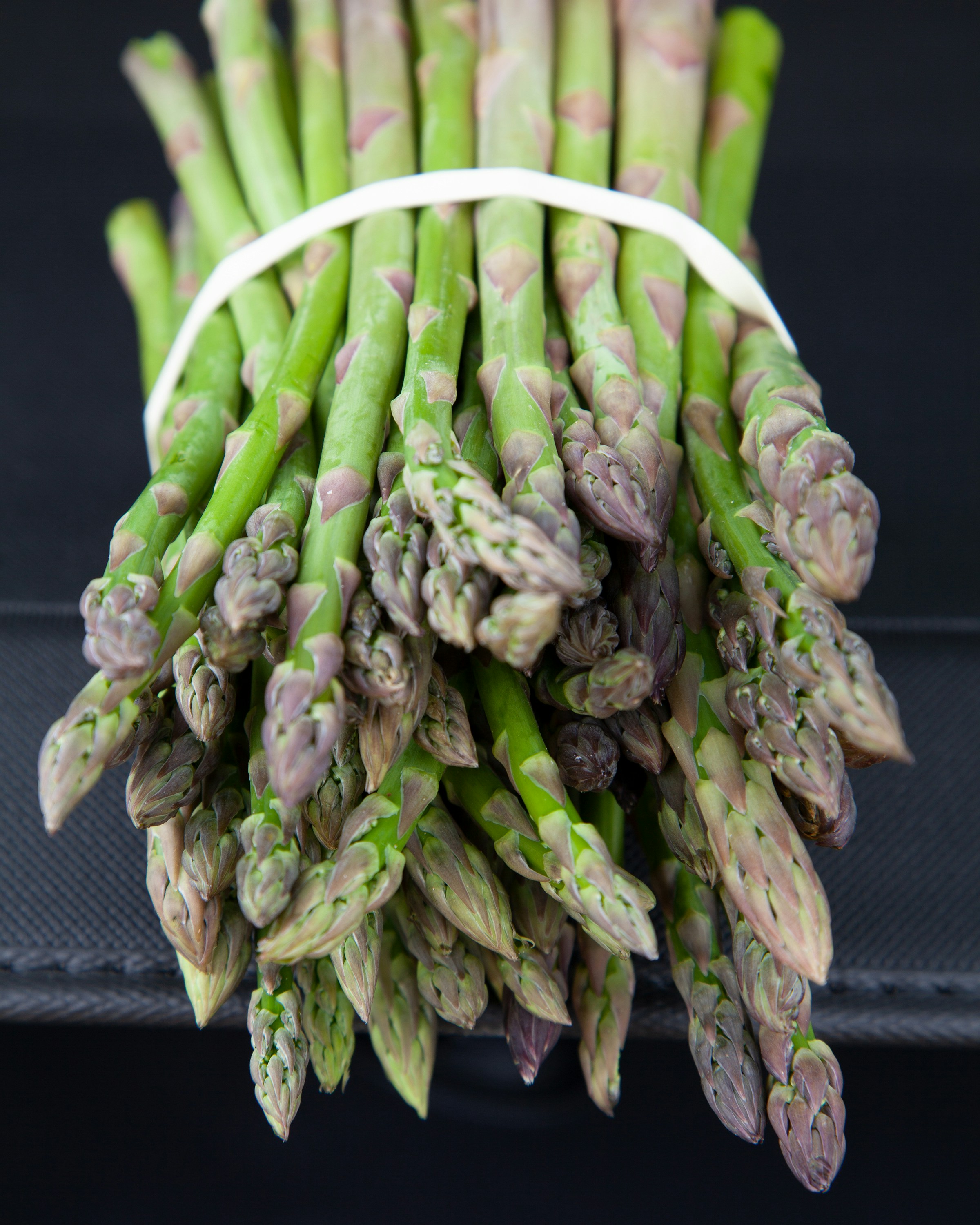
Asparagus
In Kentucky and much of the Midwest, asparagus is one of the first vegetables to break through the soil after winter, which might explain why it feels so exciting every year. It has a short season—usually late April through early June—so when you see it piled high at the store or market, that’s your cue. One thing I love about asparagus is that it tastes more “green” when it’s fresh, almost grassy in a good way. The thinner stalks are more tender, but the thicker ones are great for roasting because they hold their texture. And if you’ve never shaved asparagus raw into a salad, spring is the time to try it.
Recipes with asparagus:
- Roasted asparagus with lemon and parmesan
- Asparagus and goat cheese frittata
- Pasta with asparagus, garlic, and chili flakes
- Sheet pan salmon with asparagus and potatoes
- Asparagus wrapped in bacon
Strawberries
Strawberries are one of those foods that feel too good for us to just have. Like, what do you mean these just grow out of the ground? I’m not sure we deserve strawberries, but man I love that they exist. Strawberries usually start appearing in Kentucky around mid-to-late May, and they’re worth waiting for. Local strawberries are softer and more fragrant than the firm ones shipped long distances, which means they don’t last as long—but they also don’t need much to shine. A fun detail: strawberries are one of the few fruits with seeds on the outside, and each berry can have around 200 of them. When they’re in season, they’re often cheaper by the quart, which is your sign to use them with gusto, not hesitation.
Different ways to enjoy strawberries:
- On a charcuterie board paired with complimentary nuts, cheeses, and wine
- Strawberry caprese salad
- Chopped strawberries in salsa with jalapeño and lime
- Strawberry overnight oats
- As flavor enhancers in a glass of iced hibiscus tea

Rhubarb
I believe that Rhubarb is spring’s most misunderstood produce. Technically a vegetable, it’s usually treated like a fruit thanks to its intense tartness. In Kentucky, rhubarb typically appears in late spring along with strawberries (hence the commonality of their pairing), and its bright pink stalks are hard to miss. If it’s your first time cooking with it, keep in mind that the stalks are edible, but the leaves are not!
Rhubarb recipe ideas:
- Strawberry rhubarb pie
- Rhubarb compote for yogurt or oatmeal
- Rhubarb muffins
- Rhubarb simple syrup for cocktails and mocktails
- Rhubarb jam
Spinach
Spinach may come across all humble, but it’s one of the most flexible ingredients in a spring kitchen. It blends into sauces and adds a nice little earthiness without overpowering anything. While it may be great at getting stuck in our teeth, one thing I love about spinach is that it shrinks dramatically when cooked, making it perfect for sneaking extra powerful greens into meals. A whole handful melts into pasta, soups, or eggs almost instantly. Spring spinach is also more tender than the thick, mature leaves you see later in the year, which means now is a time for celebration.
Ideas for incorporating:
- Spinach and feta scrambled eggs
- Pasta tossed in some basil spinach walnut pesto
- Spinach blended into smoothies
- Tossed into soups right before serving
- Spinach and mushroom quesadillas
Snap Peas and Shelling Peas
Peas thrive in cooler temperatures, which makes spring their big moment in the Midwest. Fresh peas lose their sugars quickly after picking, which is why local ones taste noticeably better. If you find them at a farmers’ market, try them raw, and you’ll understand immediately. They also add crunch, and crunch really rules.
Recipe ideas:
- Pea and mint pasta
- Spring vegetable fried rice
- Lemony pea and ricotta toast
- Grain bowls with peas and herbs
- Pea pesto for pasta or sandwiches

Green Onions (Scallions)
Green onions are one of the quieter stars of spring produce. They show up early in the Midwest, and their flavor is milder than fully matured onions. They’re great when you want onion flavor without heaviness. Another overlooked tip: you can grill or roast them whole, which softens them and brings out a subtle sweetness. They also regrow easily—place the white ends in water and you’ll get another round.
How to use scallions:
- Green onion and sesame fried rice
- Scallion pancakes
- Topped on baked potatoes or grain bowls
- Mixed into scrambled eggs
- As a garnish on gochujang buttered noodles
Radishes
Radishes love cool weather, so they’re one of the earliest crops you’ll see at Midwest markets. They grow quickly—sometimes in as little as three to four weeks—which makes them a favorite for local farmers. I like radishes because they bring contrast. They have a sharp crunch that really wakes up your palate and plays nicely with other fun flavors. If you’ve only ever eaten them raw, roasting them is a fun twist. They mellow out and take on a softer, almost buttery flavor that feels totally different.
Recipe ideas:
- Thinly sliced radishes on avocado toast
- Radish and cucumber salad with vinegar and sesame oil
- Roasted radishes with olive oil and salt
- Carne asada tacos topped with radish, lime, and cilantro
- Crispy spicy chicken sandwich with pickled radishes and mayo

Carrots
While carrots store well year-round, spring carrots in the Midwest often come from early harvests or from overwintered crops that develop extra sweetness. If you see them with the greens attached, that’s a good sign they’re fresh. The greens themselves are edible too; they’re slightly bitter, but great blended into pesto or chimichurri. Spring carrots also tend to be more tender, which makes them ideal for shaving raw into salads.
Carrot ideas:
- Roasted carrots with hot honey or harissa
- Carrot and ginger soup
- Shaved carrot salad with lemon dressing
- Grated carrots in grain bowls
- Carrot cake baked oatmeal
Artichokes
Artichokes feel a little mysterious, but I’d say they’re worth getting to know. Once you try them, they tend to find their way into your meals as a recurring character. They’re actually flower buds, and if left unharvested, they bloom into giant purple thistles. Prepping them can be meditative—peeling back leaves, trimming edges—but jarred or frozen versions still capture their flavor. The payoff is their slightly tangy, buttery taste that pairs with almost anything.
Ways to use artichokes:
- Lemony artichoke pasta
- Spinach artichoke dip
- Roasted artichokes with garlic butter
- Potato, artichoke, and goat cheese quiche
- Artichoke and olive flatbread
Fresh Herbs (Parsley, Dill, Mint, Chives, Rosemary)
Fresh herbs are the shortcut to making meals feel seasonal. They add brightness, color, and a little unpredictability. A handful of chopped herbs can wake up leftovers, turn plain yogurt into a sauce, or make a simple grain bowl feel intentional. My springtime tip is to treat herbs like leafy greens, not garnishes. Use more than you think you need. When they’re in season, they’re affordable, and they bring everything else on your plate to life.
Recipe ideas:
- Herb-loaded salads
- Dill yogurt sauce for roasted veggies
- Mint-garnished drinks like iced hibiscus tea
- Roasted rosemary hummus
- Chive-topped omelet
- Parsley chimichurri for chicken or tofu

Bring on the spring produce
Seasonal shopping is a great way to expand your cooking without overthinking it. Produce that grows at the same time tends to pair well together because they all share similar growing conditions, textures, and flavor profiles. Just remember, “if they grow together, they go together!” Example: garnishing a celebratory beverage with strawberries and fresh mint.
Let the everchanging nature of the seasons become your guide, and instead of having to come up with fresh dinner ideas every week, seasonal produce can start to do the creative work for you. If this approach clicks for you, it’s worth digging a little deeper into what’s growing in your specific area—local farmers’ markets, extension offices, and seasonal charts can give you a clearer picture week by week. The more you pay attention, the more patterns you’ll notice, and the easier it becomes to shop, cook, and eat in a way that feels both spontaneous and reliable.
Leave a Reply